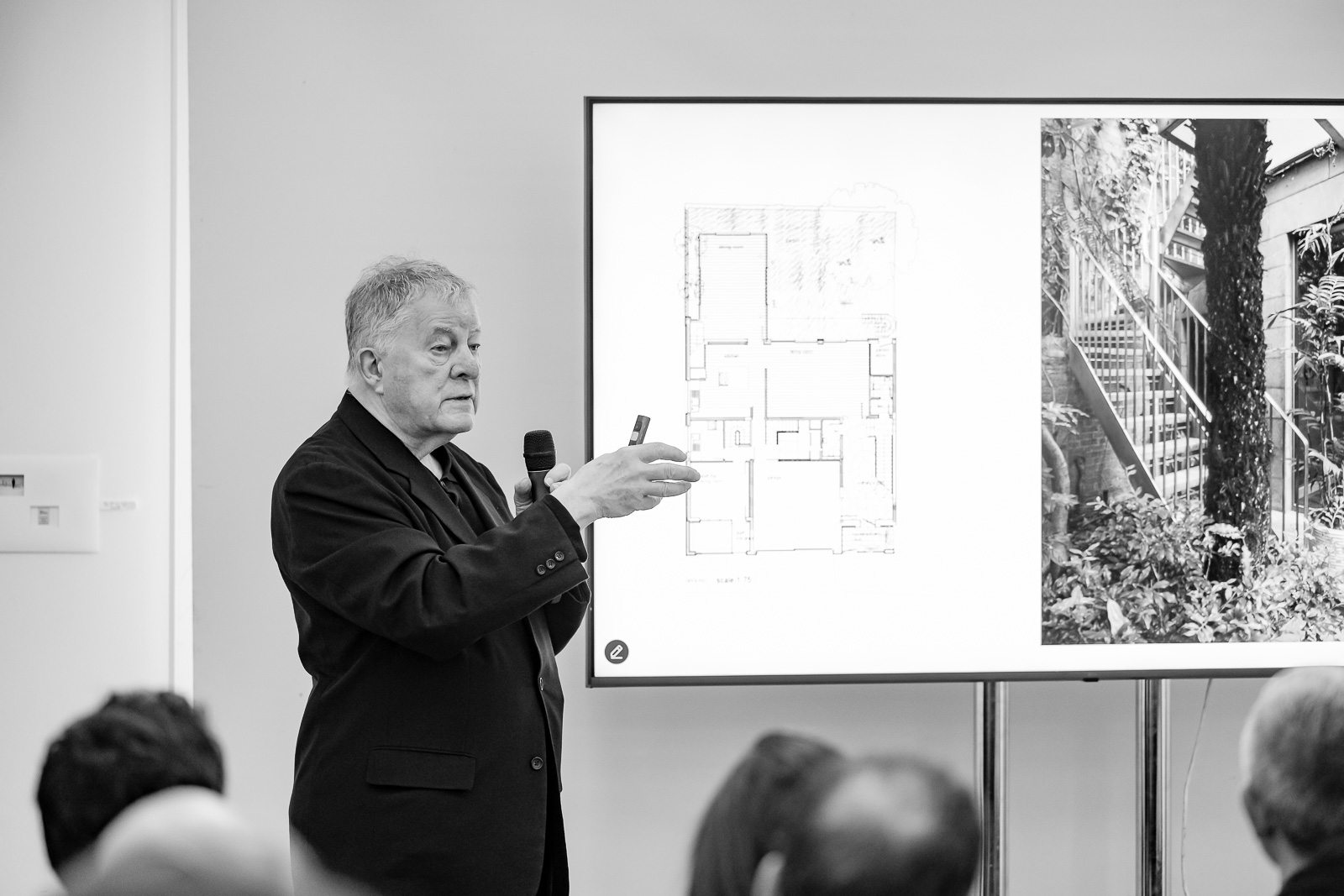

The National Architecture Institute (NAI) presents the curator of the Lithuanian Pavilion at the 2027 Venice Architecture Biennale – architect Andrius Ropolas.
In 2027, the Lithuanian Pavilion “Desanctification” will explore themes of heritage transformation, the adaptation of buildings to future needs, and the idea of architecture as untouchable.
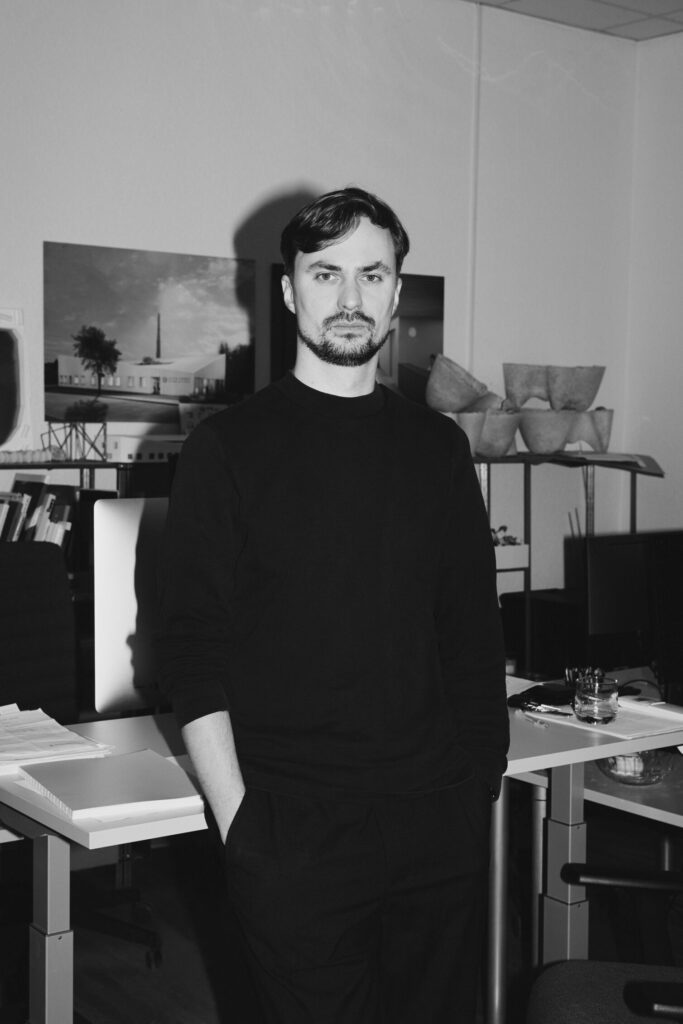
“When developing the Lithuanian Pavilion, we wanted to invite a curator who could speak about architecture as a cultural, social and critical phenomenon. Andrius Ropolas’ experience, which connects architectural practice, writing, criticism and an international perspective, allows this topic to be seen more broadly. Through the pavilion, we want to raise questions about how we understand architectural heritage today, its values and its capacity for change,” says Kęstutis Kuizinas, Commissioner of the Lithuanian Pavilion and Director of NAI.
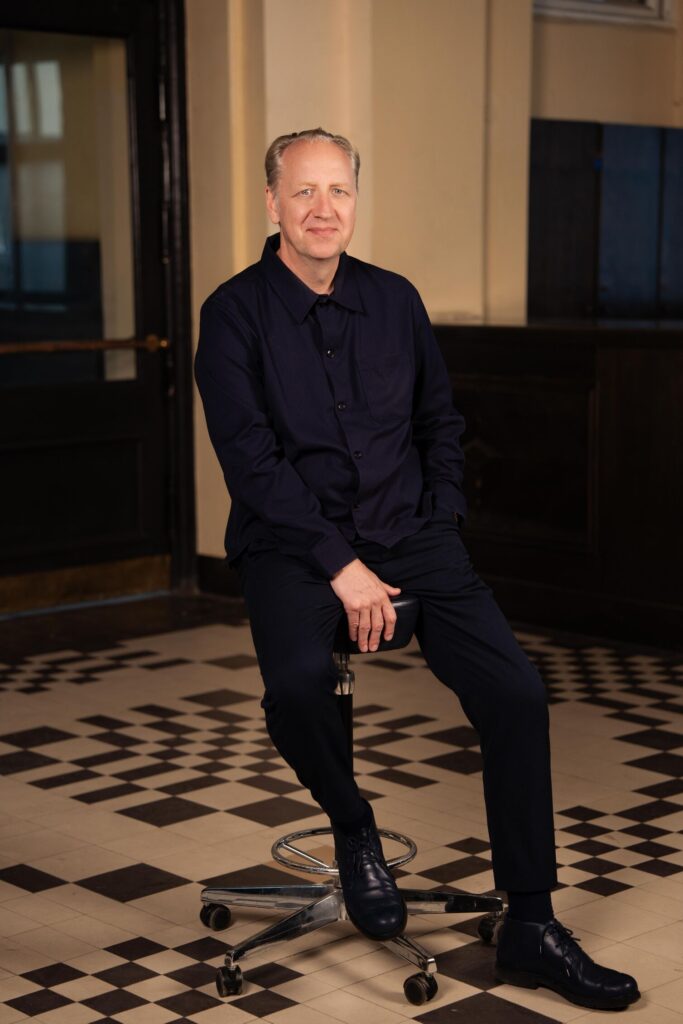
Andrius Ropolas is an architect and partner at the architectural office Office De Architectura. He studied at the Vilnius Academy of Arts and the University of Tokyo, and completed his master’s degree at KU Leuven University in Belgium. He has worked in Denmark, Belgium, Japan and the United Kingdom, contributing to urban visions and architectural projects in Europe and Asia. As an architecture critic and writer, he has published texts on architecture in Lithuanian and international publications, and participates in educational and cultural projects.
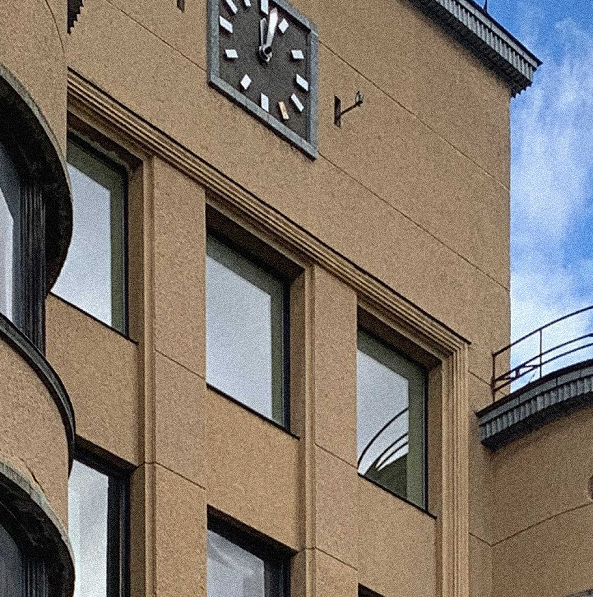
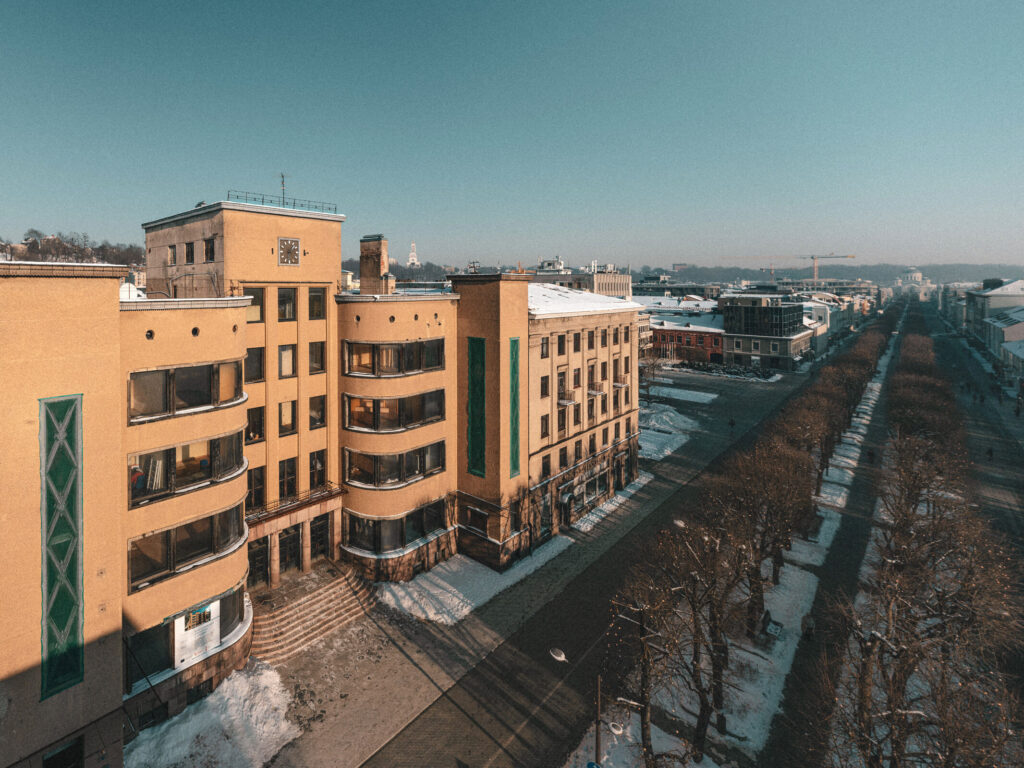
According to the curator, the theme of the pavilion emerged from observing the ongoing transformation of the Kaunas Central Post Office: “An increasing part of our environment is becoming protected, which means that there are more and more ‘sacred’, untouchable objects where change can hardly take place. This tendency is not unique to Lithuania – it is a global process. In the pavilion, we will provoke a discussion about ‘Desanctification’, i.e. the ‘desanctification’ of heritage. Both the future pavilion space and the exhibition itself will invite us to rethink the values of architecture and heritage. How would we live if our entire environment were heritage?” says A. Ropolas.
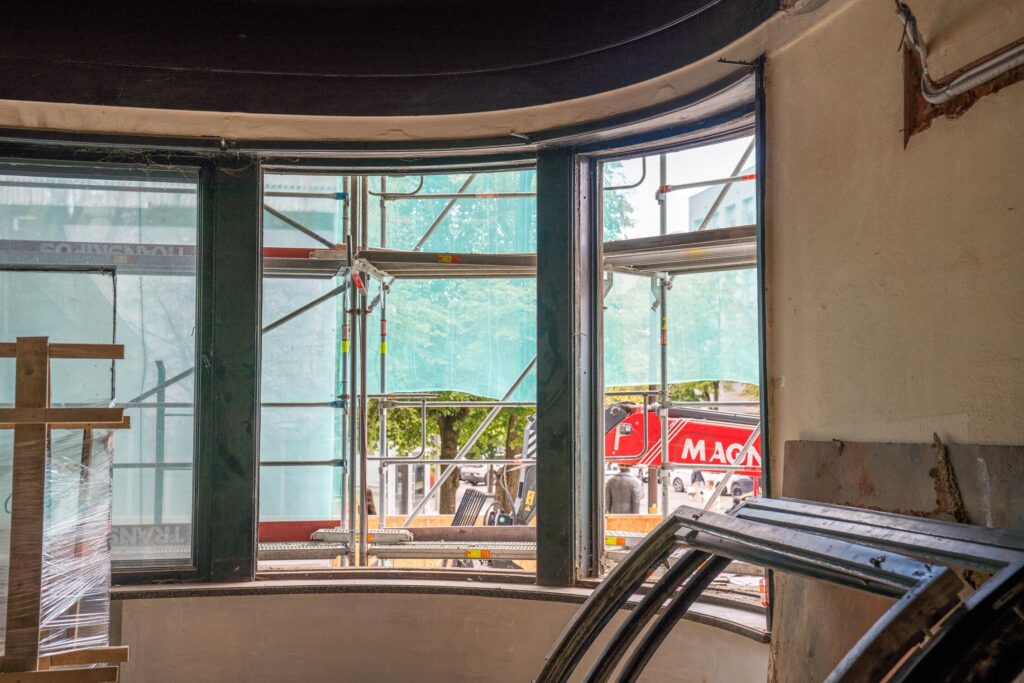
The transformation of the Kaunas Central Post Office will be presented in the pavilion as a concrete example of a broader theme. One of the most important objects of Lithuanian modernist architecture is today being transformed into the National Architecture Institute – a new institution that will collect, research and present the field of Lithuanian architecture.
The Lithuanian Pavilion in Venice is planned to be located in a former church that has been converted into a sports and community hall. The space itself will become part of the pavilion’s theme: it will tell the story of how historical, symbolically powerful architectural spaces can be reused, transformed and given new functions.
In the exhibition, this transformation will be revealed through real fragments of the building’s transformation, interpretations of the post office’s interior, furniture and floor motifs, as well as the future directions of NAI’s activities. The pavilion will include details of the institution’s archive, library, research, collection development and public programme – the elements that will shape NAI’s future work in the Kaunas Central Post Office.
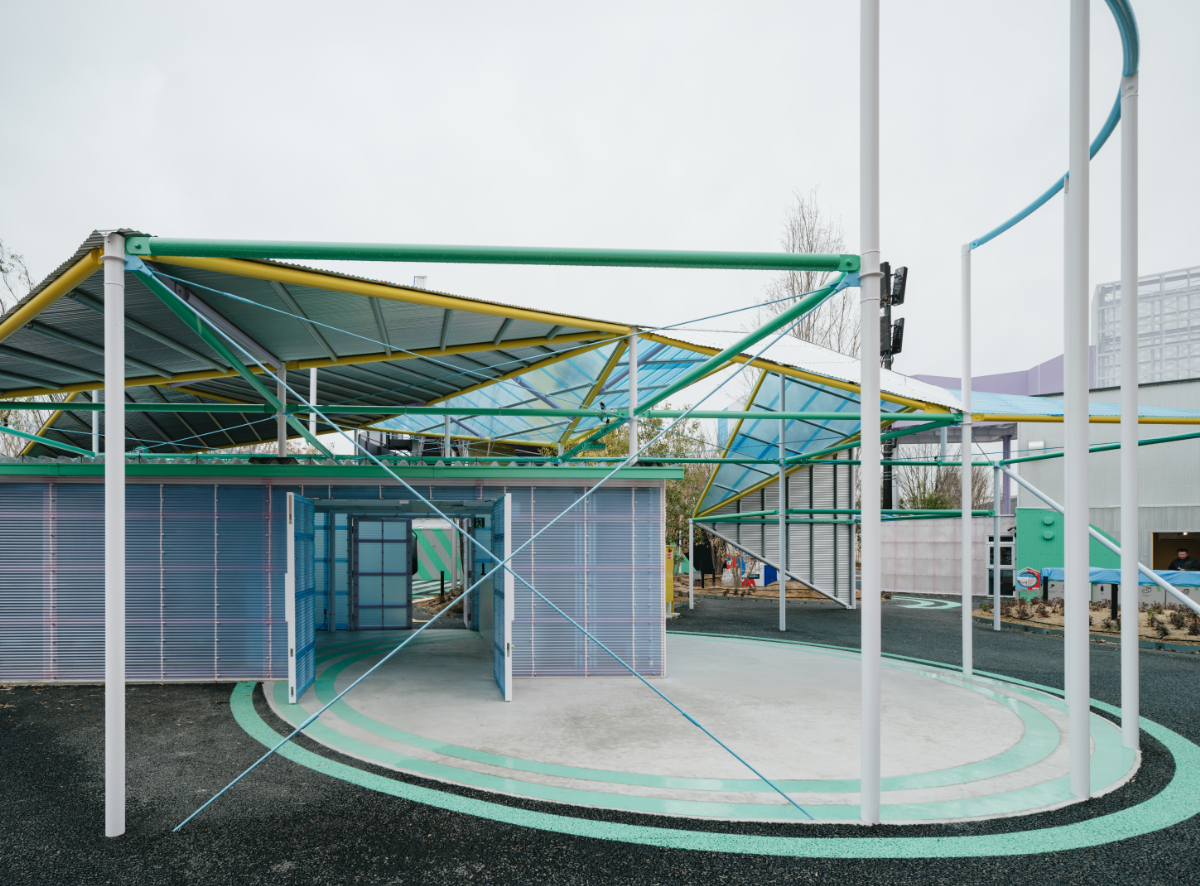
The architecture of the pavilion will be created by Suzuko Yamada, one of the most prominent architects of Japan’s younger generation, and her architectural office. According to the curator, an international perspective is important for this project because the content presented in Venice will be distinctly Lithuanian, while an external viewpoint allows us to see ourselves more clearly from the outside. The themes of interweaving, multilayeredness and the blurring of boundaries developed in the work of Suzuko Yamada Architects align with the idea of the pavilion and expand it within an international architectural context.

The Lithuanian Pavilion at the 2027 Venice Architecture Biennale is organised by NAI and funded by the Ministry of Culture of the Republic of Lithuania.